
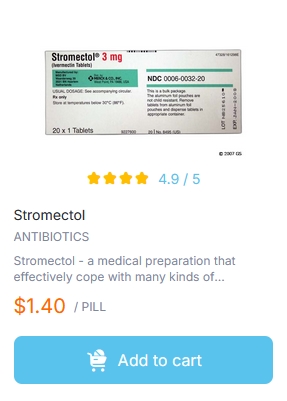
Understanding Ivermectin Tablets
Ivermectin tablets have gained attention for their role in treating various parasitic infections. Originally developed as an antiparasitic agent, these tablets are widely used in both human and animal medicine.
What is Ivermectin?
Ivermectin is a medication that belongs to the class of drugs known as antiparasitics. It works by paralyzing and killing certain parasites, making it effective against conditions caused by worms, lice, and scabies.
Uses of Ivermectin Tablets
The primary uses of ivermectin tablets include:
- Treatment of strongyloidiasis (intestinal roundworm)
- Treatment of onchocerciasis (river blindness)
- Management of scabies
- Control of head lice infestation
How to Take Ivermectin Tablets
For optimal results, consider the following guidelines when taking ivermectin tablets:
- Follow the dosage prescribed by your healthcare provider.
- Take the tablets with a full glass of water.
- You may take it with or without food, but consistency is key.
Potential Side Effects
While ivermectin tablets are generally well-tolerated, some side effects may occur. Common side effects include:
- Nausea
- Diarrhea
- Dizziness
- Fatigue
FAQs about Ivermectin Tablets
1. Can Ivermectin be used for COVID-19?
Current evidence does not support the use of ivermectin for preventing or treating COVID-19. Always consult a healthcare professional for guidance.
2. Are Ivermectin tablets safe for everyone?
Ivermectin is generally safe for most individuals, but those with certain medical conditions or who are pregnant should seek medical advice before use.
3. How long does it take for Ivermectin to work?
The effectiveness of ivermectin tablets can vary depending on the condition being treated, but many patients notice improvement within days to weeks.
4. Can I purchase Ivermectin tablets over the counter?
Ivermectin tablets typically require a prescription in many countries, so consult your doctor for access.
Conclusion
Ivermectin tablets offer a valuable treatment option for various parasitic infections. Understanding their uses, proper administration, and potential side effects can help ensure their effectiveness and safety. Always consult with a healthcare provider for personalized advice.
Ivermectin Tablets: A Powerful Antiparasitic Solution
Introduction to Ivermectin Tablets
Ivermectin tablets have emerged as a significant advancement in the field of medicine, particularly for their remarkable antiparasitic properties. Initially developed for veterinary use, these tablets have gained prominence in treating various parasitic infections in humans.
Mechanism of Action
The efficacy of ivermectin tablets lies in their ability to target the nervous system of parasites. The active ingredient, ivermectin, binds to specific channels in the parasite’s nerve and muscle cells, leading to paralysis and death of the organism. This mechanism makes ivermectin an invaluable tool against a range of parasitic diseases.
Common Uses of Ivermectin Tablets
Ivermectin tablets are primarily used to treat conditions such as:
- Onchocerciasis (river blindness)
- Lymphatic filariasis
- Strongyloidiasis
- Scabies and head lice
Safety and Dosage Recommendations
While ivermectin tablets are generally considered safe for most patients, it is essential to follow prescribed dosages closely. Healthcare providers often consider factors such as age, weight, and the specific infection being treated when determining the appropriate dosage. Potential side effects, though rare, can include dizziness, nausea, and skin rash.
Effectiveness in Public Health
The introduction of ivermectin tablets has had a profound impact on public health, particularly in tropical and subtropical regions where parasitic infections are prevalent. Mass drug administration programs utilizing ivermectin have significantly reduced the incidence of diseases like river blindness, improving the quality of life for millions.
Research and Development
Ongoing research into ivermectin tablets continues to unveil new potential applications. Recent studies have explored its effectiveness against other pathogens, raising hopes for broader therapeutic uses. However, it is crucial to rely on scientific evidence and clinical trials before considering any off-label usage.
Conclusion
Ivermectin tablets represent a powerful solution in the fight against parasitic infections. Their proven effectiveness, coupled with ongoing research, positions them as a critical component of global health strategies aimed at eradicating debilitating diseases. As we advance our understanding of this medication, its role may expand further, offering hope to those affected by parasitic conditions.
Ivermectin Tablets: Broad-Spectrum Antiparasitic Treatment
Introduction to Ivermectin Tablets
Ivermectin tablets are a widely recognized antiparasitic medication used to treat various parasitic infections in both humans and animals. Originally developed for veterinary use, these tablets have gained prominence in human medicine due to their effectiveness against multiple types of parasites.
Mechanism of Action
The primary mechanism of action of ivermectin tablets involves binding to specific chloride channels in the nerve and muscle cells of parasites. This binding leads to paralysis and death of the parasites, effectively clearing the infection from the host’s body. The unique action of ivermectin makes it suitable for treating a broad range of parasitic diseases.
Treatment of Parasitic Infections
Ivermectin tablets are primarily used to treat infections caused by roundworms, scabies, and lice. Some common conditions treated with ivermectin include:
- Onchocerciasis (river blindness)
- Lymphatic filariasis
- Strongyloidiasis
- Scabies
- Head lice infestations
Dosage and Administration
The dosage of ivermectin tablets varies depending on the type of infection being treated. It is typically administered as a single dose, but in some cases, repeat doses may be necessary. Patients should follow their healthcare provider’s instructions regarding dosage to ensure safety and efficacy.
Safety and Side Effects
Although generally considered safe, ivermectin tablets can cause side effects in some individuals. Common side effects include dizziness, nausea, diarrhea, and fatigue. Severe allergic reactions are rare but can occur. It is essential for patients to discuss their medical history and any current medications with their healthcare provider before starting treatment.
Research and Future Applications
Recent studies have explored the potential of ivermectin tablets beyond traditional antiparasitic uses. Research is ongoing to investigate its effectiveness in treating viral infections and other medical applications. This broad-spectrum capability positions ivermectin as a significant candidate in global health discussions.
Conclusion
Ivermectin tablets represent a vital tool in the fight against parasitic infections. Their proven efficacy, safety profile, and potential for broader applications make them an important subject of study in the realms of medicine and public health. Continued research may unveil further benefits, ensuring that this medication remains relevant in managing infectious diseases.